Your Home Deserves A FORTIFIED Roof™
Atlas Makes It Possible
What Makes a Roof FORTIFIED™?
Not all roofs are built the same. The difference between a standard roof and a FORTIFIED Roof™ isn’t just better materials; it’s how everything works together to withstand nature’s toughest challenges.
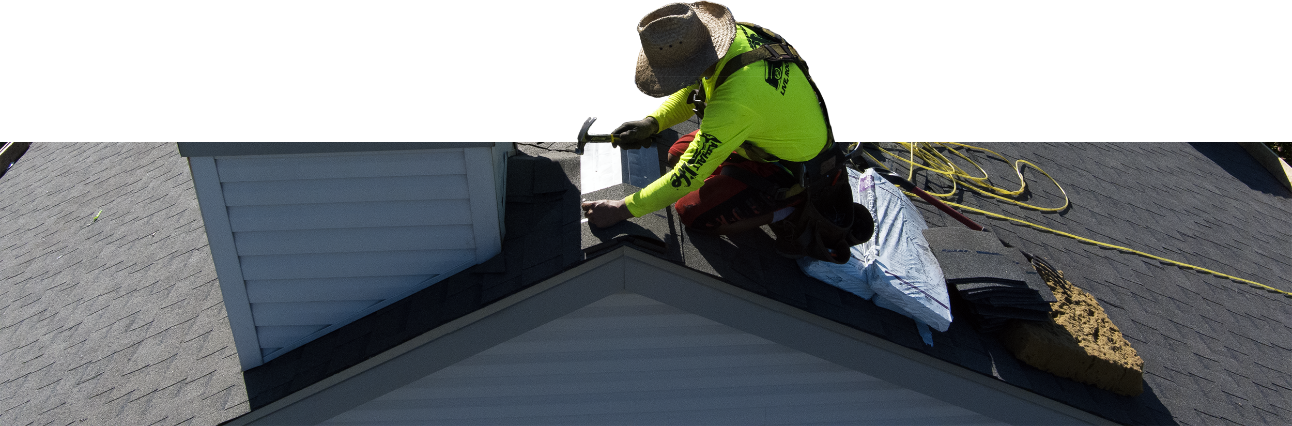

Sealed Roof Deck Protection
FORTIFIED roofs require underlayment that creates a watertight barrier beneath your shingles. This keeps wind-driven rain out of your home, even if shingles are damaged or torn away.

Reinforced Starter Strips
The edges of your roof are where wind hits hardest. FORTIFIED standards require fully-adhered starter strips to prevent wind from getting underneath and lifting your shingles.

Impact Rated Shingles
Because not every shingle qualifies, FORTIFIED roofs need shingles with the ability to withstand high winds and IBHS evaluated and approved impact resistance.

Weather-Tested Ventilation
Proper ventilation isn't just about airflow. It has to perform during storms. FORTIFIED-compliant ventilation products are tested to hold strong when severe weather strikes.


Atlas Shingles That Meets FORTIFIED Roof™ Standards

Class 4 impact resistance plus 150 mph wind protection for superior defense. Fortified wind and hail approved.

Class 4 impact-rated and 130 mph wind warranty for reliable storm protection. Fortified wind and hail approved.

Class 3 impact rating, resists 130 mph winds, and reduces cooling costs with cool roof granules. Fortified wind approved.

High-value, architectural look with Class 3 impact and 130 mph wind resistance. Fortified wind and hail approved.
Atlas Roof Ventilation That Meet FORTIFIED Roof™ Standards

Premium hip and ridge shingles with Class 4 impact resistance, Core4® Technology, and 130 mph wind rating.

Designer hip and ridge shingles with Class 3 impact resistance, 130 mph wind rating, and algae protection.
Atlas Starter Shingles That Meet FORTIFIED Roof™ Standards

Pre-perforated starter shingles with FASTAC® double sealant protection for enhanced wind resistance at roof edges and eaves.

9" starter roll with self-adhering application for wind resistance at roof edges and eaves. Universal compatibility with all asphalt shingle types.
Atlas Roof Ventilation That Meet FORTIFIED Roof™ Standards
Ridge vent with optional filter for enhanced protection against wind-driven rain, snow, dust, and insects.
Standard ridge vent with time-tested design for proven attic ventilation performance.
All-weather ridge vent with integrated filter protection against wind-driven rain, snow, dust, and insect infiltration.
Atlas Roof Underlayment That Meet FORTIFIED Roof™ Standards

A reliable synthetic underlayment that protects your roof from moisture and won’t buckle, warp, or crack over time.

Heavy-duty synthetic underlayment compatible with all roofing materials. Built to withstand demanding conditions and keep moisture out of your home.

Self-sealing waterproof barrier suitable for use under any roofing material. Protects your entire roof deck, not just the vulnerable edges and eaves.

Self-sealing waterproof barrier for vulnerable areas like roof edges, valleys, and eaves where ice dams or wind-driven rain can cause leaks.

Peel-and-stick underlayment specifically designed to enhance tile roofs and protect against water and extreme weather.
FORTIFIED™ Homeowner Resources
Access everything you need to know with official FORTIFIED™ homeowner tools, guides, and tips to help you understand how small upgrades today prevent major damage tomorrow.
FORTIFIED™ FAQs
FORTIFIED goes beyond code to protect your property, not just its structure. The key difference is the sealed roof deck: a layer of high-performance tape or membrane applied to the plywood seams. While basic building codes don’t require this, FORTIFIED does. This ensures that if high winds strip away your shingles, water cannot pass through the deck panels and flood your attic and home.
A FORTIFIED Roof™ is not a specific brand of shingle or a product you buy off the shelf. It is a construction standard developed by the Insurance Institute for Business & Home Safety (IBHS).
Your home likely qualifies if it’s a single-family house (including modular homes) or duplex. Manufactured homes built after 1994 are also eligible. FORTIFIED covers townhouses where individual units extend from foundation to roof. For stacked dwellings, such as condos and apartments, see FORTIFIED Multifamily™ at fortifiedhome.org.
Yes, several states offer grants up to $10,000 for FORTIFIED upgrades, including programs in Alabama, Louisiana, and North Carolina. Many insurance companies also provide premium discounts of 20-55% for FORTIFIED homes. Check fortifiedhome.org incentives for current programs in your area.
You can’t just ask a roofer to “build it to FORTIFIED standards.” Official certification requires following a specific verification process:
Step 1: Hire a FORTIFIED-certified roofer and an independent FORTIFIED Evaluator who verifies the work on your behalf.
Step 2: Your Evaluator confirms your home qualifies before work begins. Most homes are eligible, though certain foundation types may limit you to the basic “Roof” designation.
Step 3: Once the deck is re-nailed and sealed, work must pause. Your Evaluator documents everything before shingles go on. If the roofer installs shingles before this inspection, the roof cannot be certified.
Step 4: After your Evaluator submits documentation to IBHS, you’ll receive your official Designation Certificate for insurance discounts and other benefits.
Visit fortified.profilegorilla.com. You can filter by FORTIFIED Evaluator and FORTIFIED Roofer/Contractor in your area.
IBHS is an independent, nonprofit scientific research organization funded by property insurers and reinsurers. These funders recognize that prevention costs far less than paying claims. IBHS conducts objective research on strengthening homes against severe weather, which led to the development of the FORTIFIED standards. Visit ibhs.org for more info.


Are you a Contractor?
Get FORTIFIED™ Certified.
Take Atlas protection further. Your certification makes proven storm protection available to more families in your community.
Get Started